If your bar leaves skin squeaky and tight, it's time to ask what is handmade soap and why it feels kinder. Real handmade soap is born from saponification—lye, water, and oils turning into true soap plus naturally occurring glycerin, not a detergent cocktail. Small batches, careful measuring, and a proper cure make it harder, longer-lasting, and gentler daily.
What Makes Handmade Soap Unique?
Curious about what is handmade soap and why it feels so different on skin? This cluster breaks down the craft vibe, the ingredient teamwork, and the small-batch scent magic—without the salesy fluff, just the real-life details.
The Allure of Artisanal Handcrafted Bars
When people ask what is handmade soap, they're usually talking about a bar shaped by human hands, not a factory line. That's the whole point: each handmade soap bar carries tiny "tells" that prove it was built, not stamped.
Craftsmanship you can spot:
- Hand-mixed colors: natural clays like kaolin clay for soft tones; swirls from mica (used carefully so it doesn't feel flashy)
- Botanicals: specks of calendula or oatmeal that look a little wild on purpose
- Molding and cuts: slightly uneven edges from a soap cutter—that's normal, and kind of the charm
Why it doesn't feel like a detergent bar:
- Cold process or hot process methods keep the "handmade" part real
- Glycerin stays in the bar, so your skin doesn't get that squeaky, tight vibe
If you're still stuck on what is handmade soap, think "small craft food, but for your shower." Brands like Soap Craft Lab lean into that maker look because, honestly, it's the proof.
Natural Ingredient Synergy for Gentle Cleansing
What is handmade soap doing differently during saponification? It's turning carrier oils and butters into soap while leaving behind skin-friendly extras like glycerin.
A simple way to read the ingredient teamwork:
- Oils set the cleanse feel
- Butters add cushion
- Superfatting leaves a little oil unsaponified for comfort
Quick breakdown with real numbers (typical ranges makers use):
| Ingredient type | Common examples | Typical % of oils |
|---|---|---|
| Hard oils/butters | cocoa butter, shea butter | 10–25 |
| Cleansing oils | coconut oil, babassu oil | 10–30 |
| Conditioning oils | olive oil, sweet almond oil | 30–70 |
And in plain speak, what that means on your skin:
- Olive oil-heavy bars: calmer, creamier lather
- Too much coconut oil: can feel "strippy," unless balanced
- Botanicals like chamomile or colloidal oatmeal: less drama for touchy skin
So if someone asks "handcrafted soap meaning?"—it's often this careful balancing act, not just a cute label.
Small Batch Production and Unique Scent Profiles
Small-batch work changes what is handmade soap in a practical way: the maker can tweak everything without waiting on a huge production run, so the bar stays personal.
What "small batch" unlocks:
- Essential oil blends that don't smell generic — Top notes: bergamot, litsea cubeba. Base notes: cedarwood, patchouli
- Texture choices that fit the use-case — Exfoliating bar with poppy seeds for hands. Gentle facial soap with jojoba oil and light scent
How the scent stays interesting (and not overpowering):
- Measure the fragrance load
- Match it to cure time so it settles, not screams
Curing is the quiet flex:
- Longer cure = less water, harder bar, smoother lather
- Better cure also helps delicate scents wear evenly through the bar
If you're shopping and thinking, "OK, but what is handmade soap I'll actually use daily?" look for a maker that lists essential oils, curing time, and oil ratios clearly—Soap Craft Lab is one example that keeps those details easy to find.
Core Production Methods Explained
Handmade soap can feel mysterious until you see the methods side by side. This quick run-through answers "what is handmade soap" in plain terms: how bars are made, why they change over days, and what affects softness, lather, and that comfy skin feel.
Cold Process Saponification Basics
When someone asks what is handmade soap, cold process is the classic answer: a saponification reaction between lye and oils/fats that you control from start to finish. Short version, it's hands-on and a bit fussy. That's the fun.
Mixing path (what's happening as you work):
- Liquid stage: lye water meets warmed oils, and the saponification reaction begins quietly.
- Thickening stage: you blend to trace, where the batter leaves faint trails and can hold a swirl.
After the pour (why patience pays off):
- Mold time: it firms up, heats, then settles as saponification finishes.
- Long curing: water slowly leaves, the bar gets harder, and the bitey feel drops.
If you're still asking what is handmade soap, this method shows it best: made fresh, then improved by time.
Hot Process Molding: Accelerated Curing Technique
Hot process soap answers "what is handmade soap" for folks who want faster feedback. You're basically cooking the soap batter until accelerated curing vibes kick in—less waiting, more "is it done yet?" satisfaction.
You start like cold process: lye solution + warmed oils, blend until a solid trace. Then heat takes over:
- The pot stage: steady cooking pushes saponification along.
- Texture shift: it turns thick and rustic; the texture is part of the charm.
- You scoop and press into molding forms; it won't pour like cake batter.
You can use it sooner, but a short cure still helps hardness and feel, and yes, glycerin is still in the bar.
Tiny note: some recipes swap sodium hydroxide for potassium hydroxide in certain hot-process styles, especially when aiming for softer pastes.
Melt and Pour Mixing for Instant Artisan Soap
If "what is handmade soap" sounds scary because of lye, melt and pour is the chill route. It uses a pre-made base that's already saponified, so your job is creativity and timing.
Core workflow:
- Melt the pre-made base gently so it stays clear and smooth.
- Stir in additives like botanicals (sparingly), plus fragrance and colorants.
- Pour and set, then pop it out for quick wins.
Custom looks without drama:
- Swirls and layers: quick design moves that still read "artisan."
- Dialing the vibe: endless customization, but keep extras balanced so bars don't sweat or soften.
For many beginners asking what is handmade soap, this is the easiest "yes, you can do it" entry point.
Curing Time's Impact on Moisturizing Quality
People hear "cure" and think it's just waiting, but curing time is where "handmade soap" earns that comfy finish—so if you're asking what is handmade soap, don't skip the timeline part.
What changes during cure:
- Water evaporation: less water means more bar hardness and longer-lasting bars.
- Feel on skin: the sharp edge fades as the bar settles and the pH level calms down over time.
What you notice in the shower:
- Lather behavior: a longer cure often brings steadier lather and less "slimy" slip.
- Conditioning perception: glycerin retention and balanced oils can make bars feel more moisturizing, even though soap itself cleans by nature.
Practical takeaway:
- Short cure = usable, sometimes a bit eager.
- Longer cure = tougher bar, gentler wash, less waste down the drain.
Essential Ingredients and Skin Benefits
If you've been asking what is handmade soap, you're really asking what's inside it and how it treats your skin day to day. What is handmade soap made of, and why does it feel different? Soap Craft Lab keeps it simple: smart ingredients, careful ratios, and no sneaky detergent vibe. This breaks down the basics behind what is handmade soap—and why it matters.
Lye and Water: Soapmaking Foundations
When people google what is handmade soap, they often miss the unglamorous truth: lye plus water starts the whole thing. That blend creates the conditions for saponification, a chemical reaction where oils turn into soap (and glycerin).
Core chemistry, in plain talk:
- The base is an alkali: most bar soap uses sodium hydroxide
- Liquid-style soap leans on potassium hydroxide
Practical guardrails that keep bars stable:
- Measuring: a digital scale keeps lye and water ratios tight, so curing doesn't get weird
- Safety: goggles and gloves stop small splashes from becoming a big problem
Why this answers "handmade soap meaning": if the alkali is calculated right, the finished bar shouldn't feel caustic—just clean, smooth, and reliable.
Soap Craft Lab calls this the "boring part" that makes everything else possible, because without correct saponification, what is handmade soap turns into guesswork.
Carrier Oils and Butters for Nourishing Hydration
What is handmade soap without the fats? Just a chemistry demo. The real personality comes from carrier oils and butters, because their fatty acids decide how cleansing or cushy the bar feels.
Pick the skin feel you want: "squeaky" or "comfy."
Match it to ingredients with a job:
- Carrier oils for glide and conditioning
- Butters for a denser, creamier finish
Balance the skin results:
- More cleansing can mean less comfort, so aim for moisturizing and nourishing lather that supports hydration
- Think emollient comfort that respects the skin barrier
Quick cues people notice fast:
- Coconut-heavy can feel crisp and super-clean
- Olive/shea-leaning can feel calmer and less "stripped"
This is where "what is handmade soap" becomes "handmade soap for skin," and where Soap Craft Lab keeps formulas from acting like harsh detergent bars.
Essential Oils and Botanicals for Soothing Aromatherapy
If what is handmade soap is the base plus oils, then scent is the mood. Essential oils bring fragrance, while botanicals—from herbs to flowers—add texture and sometimes a gentle skin effect.
Scent choices that behave well in soap:
- Natural scents can shift during cure, so blending matters
- Some oils are chosen for therapeutic properties, but skin comfort still comes first
Botanical add-ins, used with intention:
- For soothing vibes: finely milled botanicals (think oats or soft herbs)
- For scrubby energy: seeds, petals, or dried flowers—but keep it light for face bars
Rate and placement (the difference between "nice" and "ouch"):
- Lower rates for facial bars and sensitive skin
- Mix-ins should be evenly dispersed so one corner of the bar doesn't turn into a scratchy surprise
So when someone asks what is handmade soap, this is the part that makes it feel personal, not factory-flat.
Glycerin's Role in Skin Softening and Conditioning
A big reason what is handmade soap feels kinder is glycerin. It's a natural byproduct of saponification, and it acts as a humectant, helping with moisture retention so your skin doesn't feel tight right after rinsing. In daily life, that can translate to steadier comfort, more conditioning, and noticeable skin softening, especially in dry weather. Soap Craft Lab leaves that naturally made glycerin in the bar, instead of pulling it out for other products, so the wash feels less "stripped" and more like an emollient reset.
| Component | Role in soap | Typical feel on skin | Skin takeaway |
|---|---|---|---|
| glycerin | humectant | less tight after rinse | supports moisture retention |
| Oleic-rich oils | conditioning fat profile | softer glide | boosts skin softening |
| High-cleansing fats | stronger wash power | "squeaky" clean | may reduce comfort if overused |
| Hard butters | bar structure + creaminess | denser lather | can feel more emollient |
| Cure time (weeks) | water loss + crystal structure | milder touch | steadier conditioning |
Why Handmade Soap Matters for Your Skin
If you've ever asked what is handmade soap, you're usually trying to dodge tight, itchy skin and mystery ingredients. This is the simple version: handmade soap is made in small runs, often with fewer extras, and it cleans without that squeaky-stripped feeling. Below, what is handmade soap gets practical—skin, moisture, and waste.
Chemical-Free Formulation for Sensitive Complexions
People searching "what is handmade soap" often mean: what's in it, and what's not in it. That matters most when sensitive skin flares up fast.
Ingredient clues that keep skin irritation lower:
- Short lists with natural ingredients you can actually recognize
- Less reliance on synthetic dyes, heavy preservatives, and aggressive wash agents
How that connects to daily comfort:
- Fewer add-ons makes it easier to spot triggers
- Gentle cleansing helps stop the "burn then dry" cycle
Many bars aim for hypoallergenic choices by skipping common irritants.
What to watch in "natural" bars:
- Essential oils can smell amazing, but some folks react
- Organic oils often feel richer, yet your skin still has preferences
If you're still wondering what is handmade soap, Soap Craft Lab keeps formulas readable, so you're not decoding a chemistry exam at the sink.
Moisturizing Glycerin Cleanses Without Harsh Detergents
So, what is handmade soap when it comes to moisture? True soap is made by saponification; it cleans oils and dirt, and naturally produces glycerin, a natural humectant that supports skin hydration.
Quick ways it behaves on your skin:
- Less "squeak," more glide from moisturizing properties
- A friendlier feel for the skin barrier when bars avoid synthetic detergents and other drying agents
- Many makers add extra oils (superfatting) to soften the finish
Here's a simple comparison people actually feel after a week:
| Wash type | Tightness after rinse (1–10) | Soft feel after 1 hour (1–10) | Notes |
|---|---|---|---|
| Detergent body wash | 7 | 4 | Can lean stripping for some |
| Syndet bar | 6 | 5 | Often milder than liquid wash |
| Handmade true soap bar | 4 | 7 | glycerin stays in the bar |
| Superfatted handmade soap | 3 | 8 | Extra oils boost comfort |
| Fragrance-free handmade soap | 3 | 7 | Helpful for reactive users |
Soap Craft Lab uses this "clean but not cranky" idea to answer what is handmade soap in real-life terms.
Sustainable Craftsmanship for Eco-Friendly Body Care
When someone asks what is handmade soap, the eco angle sneaks in too, because the bar format changes your bathroom trash fast. With an artisanal process and small-batch production, the goal can be cleaner routines and less mess left behind.
Waste and packaging wins:
- Solid bars mean reduced waste versus many plastic-heavy liquids
- Minimal wraps, easier recycling, fewer half-used bottles
Ingredient footprint choices:
- Sustainable sourcing for oils, when available
- Biodegradable ingredients that rinse away without sticking around
- Color from natural dyes instead of loud synthetic shades
What "eco-conscious" can look like in a real brand: Soap Craft Lab aims for simple packs and thoughtful inputs, so "handmade soap" isn't just a vibe—it's a habit you can stick with. And yes, if you keep repeating what is handmade soap, that's fine; the answer should stay plainspoken, not salesy.
Choosing or Making Your Ideal Handmade Soap
When people ask what is handmade soap, they're usually trying to figure out if it's hype or the real deal. In simple terms, what is handmade soap? It's soap crafted in small batches using natural oils, lye, and intentional formulation. Let's break it down and help you choose—or make—your ideal bar.
DIY Essentials: Soap Molds and Stick Blender
So, what is handmade soap when you're making it yourself? It's control. It's chemistry. It's craft.
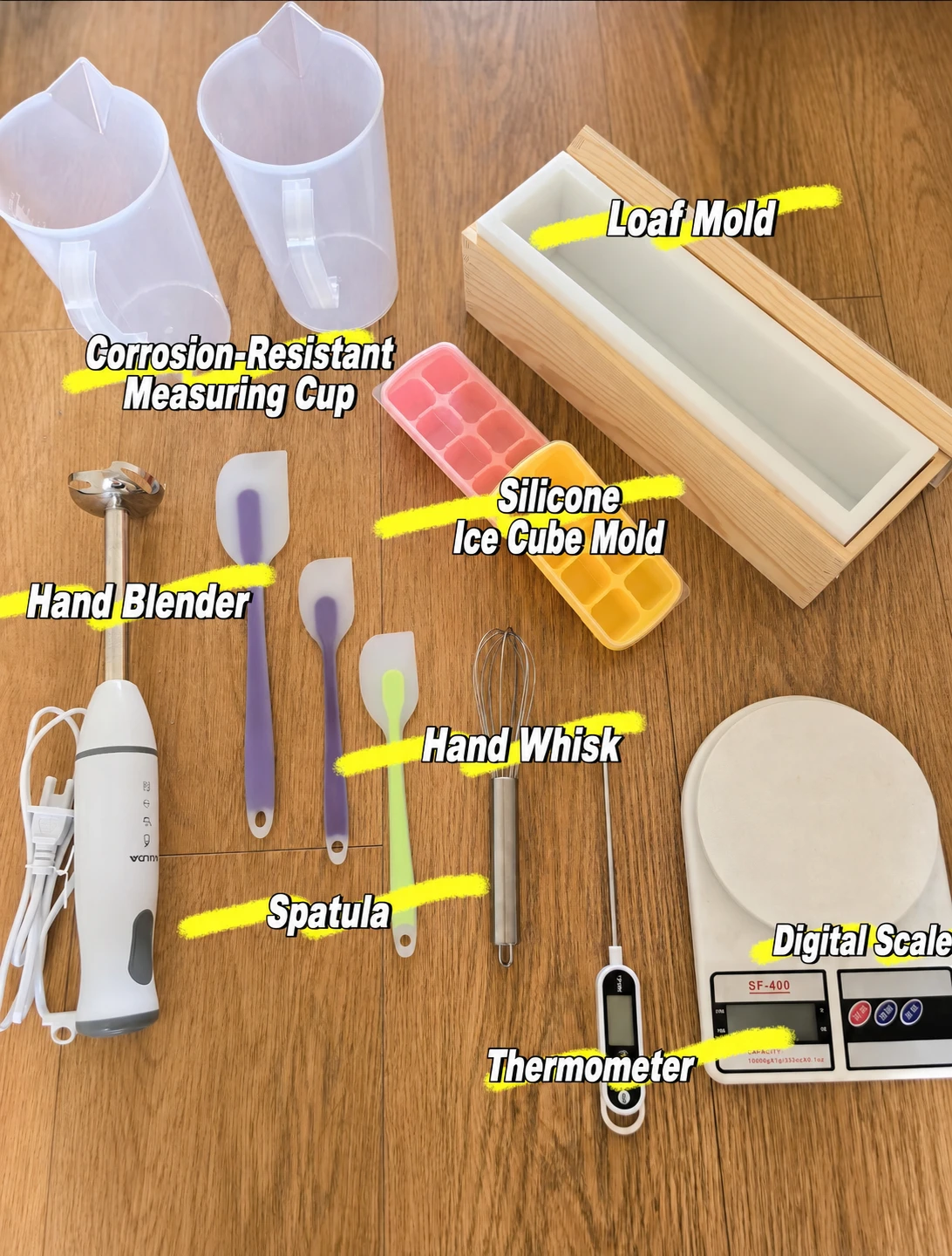
At the core of soap making supplies, a few tools matter more than the rest:
- Soap molds in safe mold materials like silicone or wood
- A reliable stick blender with adjustable blender speed
- Digital scale, thermometer, heat-safe pitcher
If you're working with cold process soap or hot process soap, your workflow shifts slightly:
- Measure oils and lye precisely.
- Blend to light or medium trace.
- Pour into molds and insulate or cook, depending on method.
Here's how tools shape results:
- Low blender speed = thinner trace, more swirl time
- High speed = faster thickening, rustic texture
For beginners curious about what is handmade soap in practical terms, it's this: oils turning into cleansing bars through saponification. When brands like Soap Craft Lab teach workshops, they stress tool quality because uneven blending leads to crumbly or separated bars. Good gear saves frustration.
Short version? The right mold and stick blender decide if your soap looks farmhouse chic or like a science experiment gone wrong.
How to Spot Artisanal Quality in Natural Skincare Products
You've seen the labels. But what is handmade soap beyond a pretty wrapper?
Check the ingredient list. Real artisanal quality shows up in:
- Clearly named natural ingredients
- Thoughtful use of essential oils and botanicals
- Transparent batch or cure dates
A quality bar of handmade soap should feel firm, not sticky. The scent should be balanced, not overpowering.
Recent 2025 industry reporting from Mintel notes: "Consumers increasingly associate small-batch production and full ingredient transparency with higher product trust and repeat purchase intent."
That's huge for skincare products, especially those labeled cruelty-free.
Here's a quick breakdown buyers can use:
- Read every ingredient.
- Look for curing time (4–6 weeks for cold process).
- Avoid unrealistic claims like "removes all toxins."
When people ask what is handmade soap in a quality sense, it's soap where oils, lye, and additives are chosen with care—not mass-produced fillers. Soap Craft Lab, for example, highlights sourcing and formulation details right on the packaging. That level of openness usually signals authenticity.
Selecting Soap Varieties for Your Unique Skin Type
Now let's talk skin. What is handmade soap if it doesn't suit you? Just expensive decor.
Match the bar to your skin type:
- Oily skin → charcoal or clay-based gentle cleanser
- Dry skin → rich moisturizing soap with shea or olive oil
- Sensitive skin → minimal fragrance, simple formulas
- Combination skin → balanced oil blends
- Acne-prone skin → tea tree or sulfur-infused options
A few classics:
- Castile = mild, olive-oil based
- Glycerin bars = extra conditioning
- Exfoliating bars = good for elbows and heels
If you're still wondering what is handmade soap doing differently, it's about fatty acid profiles. More olive oil equals gentler cleansing. More coconut oil increases lather but can strip moisture if overused.
Try this approach:
- Identify your main concern.
- Compare oil composition.
- Patch test for 24 hours.
Handcrafted soap, handmade soap, natural soap—these terms overlap, yet the goal stays the same: cleansing without wrecking your skin barrier. When chosen well, handmade soap doesn't just clean; it respects your skin's rhythm.
And that's really what is handmade soap all about.