
How to Calculate Soap Formula sounds like lab-coat business, yet it is the difference between silky bars and chalky disasters. Store soap can leave skin cranky, and guessing recipes only makes it worse. Getting the math right puts you back in control, plain and simple. Stick with the steps, and you will craft bars that behave how you want.
Key Insights: How to Calculate Soap Formula
- →SAP Value: Determine the lye needed per oil using SAP values to ensure complete saponification.
- →Superfat Ratio: Add extra oils (5-8%) to condition and prevent harshness.
- →Precise Measurements: Weigh oils, lye, and water with a digital scale; use a lye calculator.
- →Oil Balance: Combine oils (olive, coconut, shea) for desired hardness, lather, and conditioning.
- →Process Control: Monitor temperature, reach trace with an immersion blender, test pH, and cure thoroughly.
Understanding the Basics of Soap Calculation
Getting clear on How to Calculate Soap Formula is the difference between guessing and crafting soap that feels amazing on skin. Once you grasp the logic behind oils, lye, and numbers, soap recipe calculation stops feeling scary and starts feeling like kitchen chemistry you actually control.
What Is SAP Value and Why It Matters?
If you are serious about How to Calculate Soap Formula, you must understand SAP value. It tells you how much alkali (usually sodium hydroxide) is needed for complete saponification of a specific oil or fat. No shortcuts here.
- Higher SAP value means more lye required.
- Lower SAP value means less lye required.
- Accurate measurement prevents excess alkali.
Here is a practical reference table often used in soap formula calculation:
| Oil / Fat | SAP (NaOH) | Typical % in Recipe | Hardness Impact |
|---|---|---|---|
| Olive Oil | 0.134 | 30-60% | Soft / Conditioning |
| Coconut Oil | 0.183 | 15-30% | Hard / Cleansing |
| Shea Butter | 0.128 | 5-15% | Creamy / Stable |
| Palm Oil | 0.142 | 20-40% | Firm / Long-lasting |
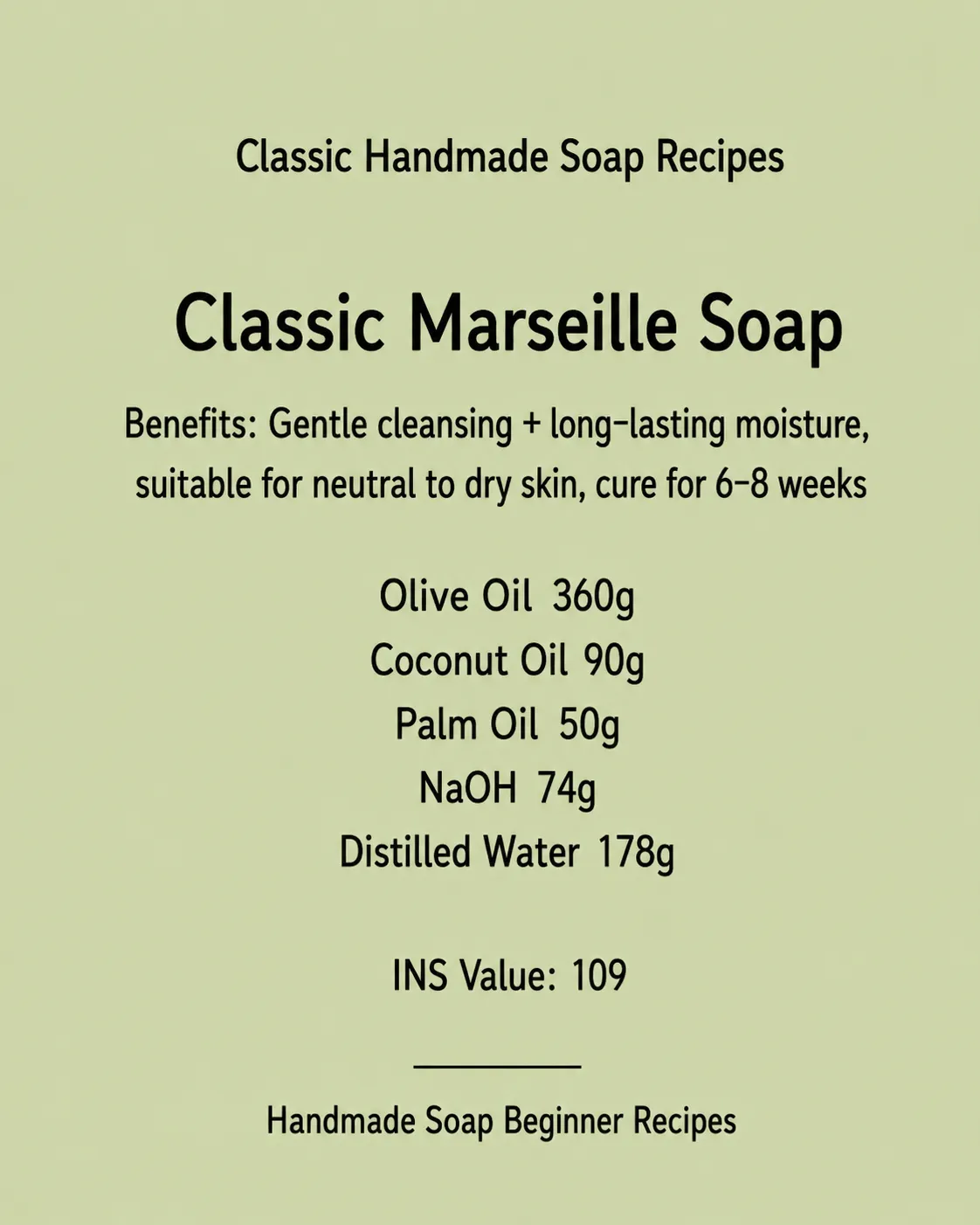
When learning How to Calculate Soap Formula, follow this logic: multiply oil weight by its SAP value, sum all required lye amounts, then adjust for superfat. Inside every soap recipe, oils define character, a chemical reaction happens between oil and alkali, and numbers control safety.
Soap Craft Lab: At Soap Craft Lab, beginners are always reminded: your calculator matters more than your fragrance choice.
Superfat Percentage: Balancing Cleansing and Conditioning
So you have figured out the raw lye calculation. Now comes the skin-friendly tweak: superfat. Superfat means intentionally reducing the calculated lye so a small portion of oil stays unsaponified. That leftover oil adds moisturizing and conditioning benefits.
- Too little superfat: overly cleansing, possibly harsh.
- Balanced superfat: gentle, creamy lather.
- Too much superfat: soft bar, risk of rancidity.
- 3-5%: firm bars, stronger cleansing.
- 5-8%: everyday balance.
- 8-10%: extra gentle, more moisturizing.
In practical soap recipe calculation, here is the adjustment: calculate the full saponification amount, multiply by (1 minus desired superfat percentage), then recheck the total measurement before mixing. When people search How to Calculate Soap Formula, they often forget that superfat changes the final proportion of usable ingredient chemistry. This small percentage shift can completely change skin feel.
Soap Craft Lab: Quick checklist before pouring: recalculate lye after setting superfat, confirm oil weights match your plan, and keep written testing notes.
Learning how to calculate soap formula correctly means understanding that conditioning is not magic. It is math plus intention.
Recipe Formulation Essentials
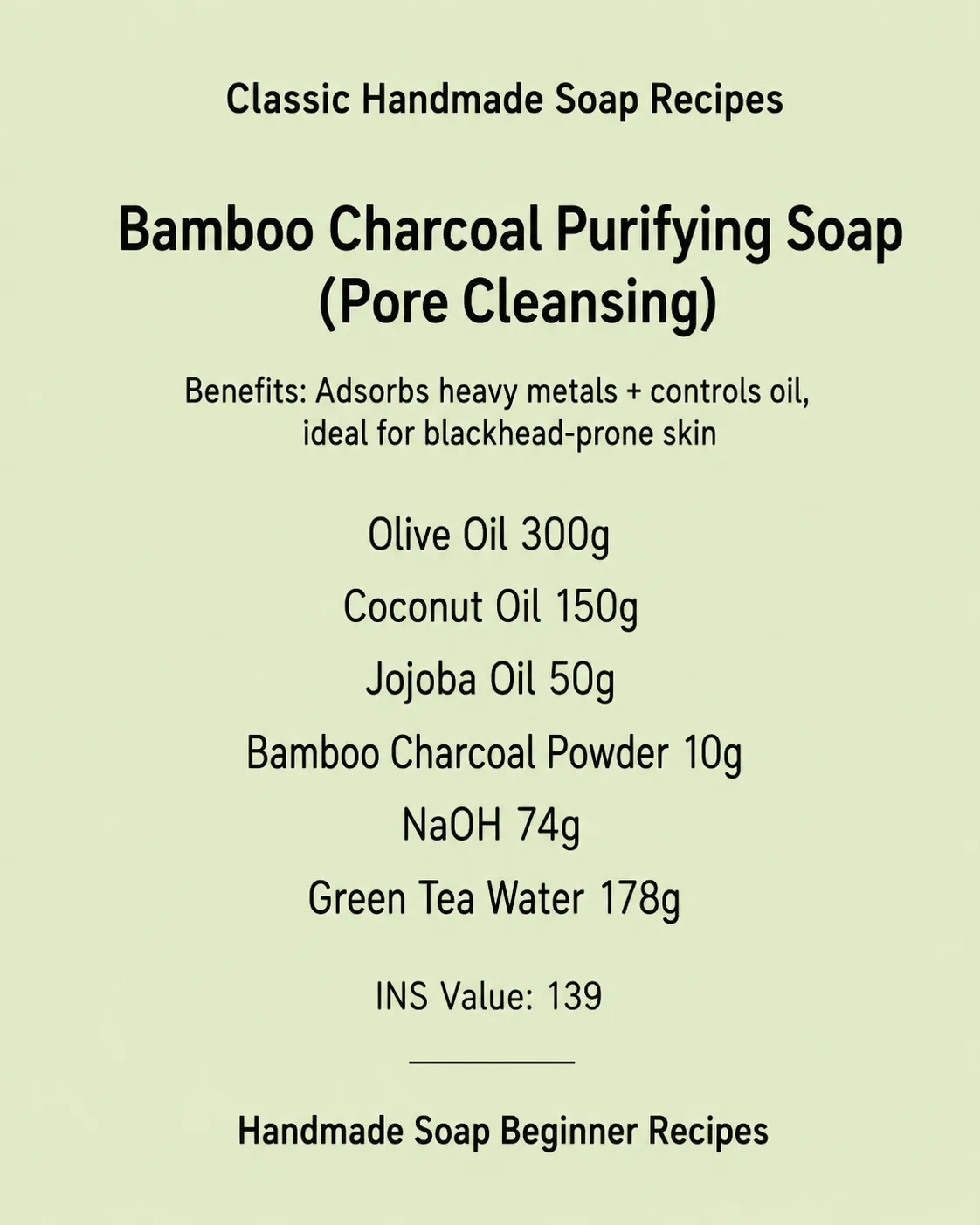
Now we bring it all together. If someone asks, 'How to Calculate Soap Formula without messing it up?' the answer sits in disciplined calculation, smart proportion, and careful testing. A well-built soap recipe balances four core qualities: hardness, cleansing, conditioning, and lather stability.
- Base oils (40-60%): Olive or similar for mild conditioning.
- Hard oils/butters (20-40%): Palm, shea for firmness.
- High-bubble oils (15-25%): Coconut for strong lather.
To calculate the soap formula step by step in real life: choose oils based on performance goals, assign weight to each ingredient, apply individual SAP values to get total lye, apply chosen superfat, and double-check all measurement entries.
Good habits reduce risk: use a digital scale with 1g accuracy minimum, keep protective gear for safety, and log every batch for future soap formula calculation refinement.
Soap Craft Lab: At Soap Craft Lab, new formulators are encouraged to treat every batch like controlled kitchen science. Casual guessing has no place in safe chemical reaction work.
Gathering Ingredients and Essential Tools
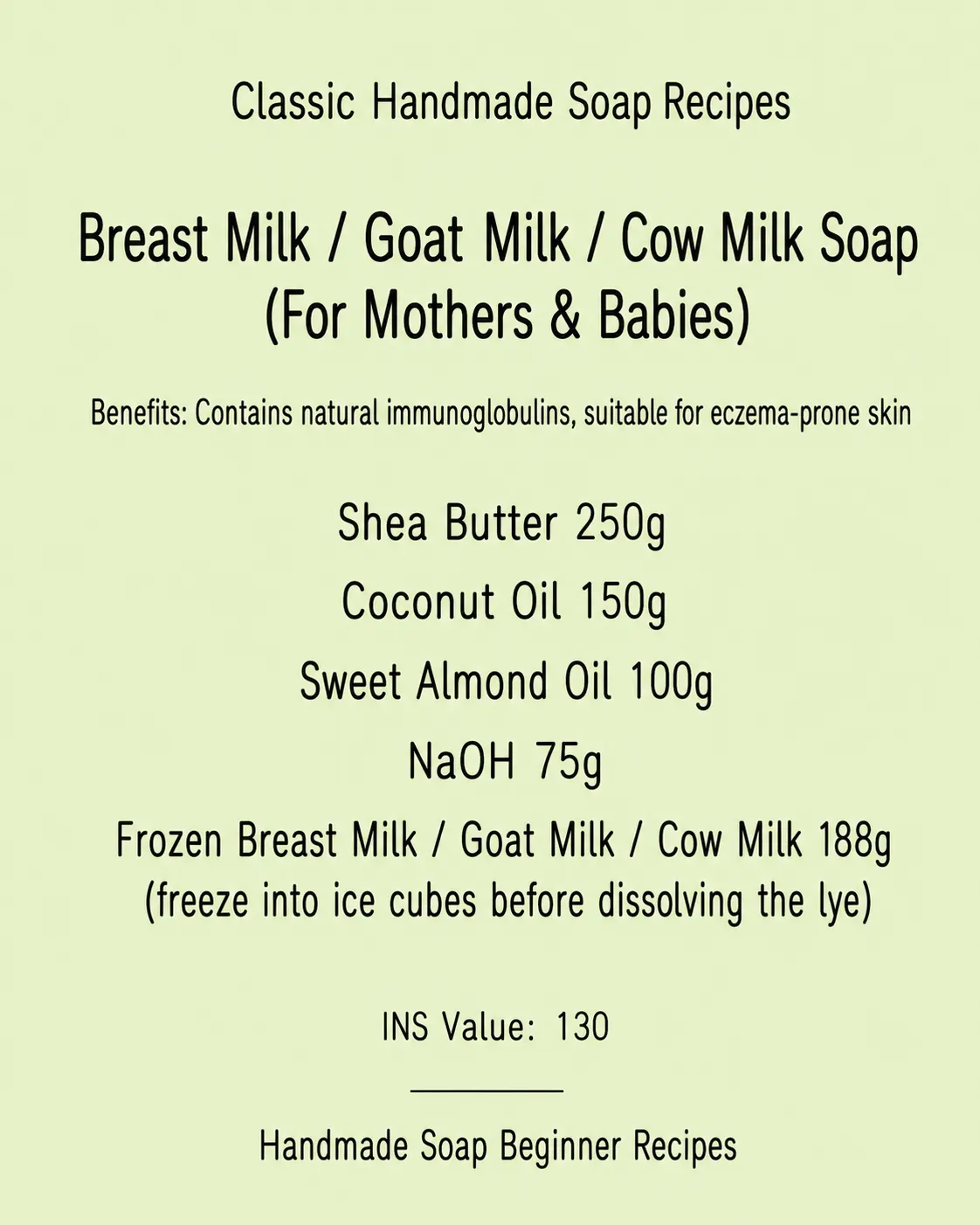
Getting ready to make soap is not just about tossing oils in a pot. If you are serious about learning How to Calculate Soap Formula, you need the right tools from the start. Good prep keeps your math clean, your batches consistent, and your skin safe.
Choosing a Digital Scale for Precise Oil Weight
When learning How to Calculate Soap Formula, your digital scale becomes your best friend. Eyeballing oil weight is a bad move. Look for precision to at least 1 gram, reliable accuracy over repeated batches, a working tare function, and total capacity of 5kg for comfortable home use. Test measurement reset before each pour, and recalibrate monthly if you soap often. Stable numbers matter more than fancy features.
Protective Eyewear, Gloves, and Ventilation Guidelines
Working with sodium hydroxide is not scary — but it demands respect. Wear safety goggles for solid eye protection, use chemical-resistant gloves for solid skin protection, and keep steady ventilation or strong air circulation. If mixing indoors, consider a small fume hood or a respirator rated for chemical fumes.
Soap Craft Lab: Home-based makers handling alkaline substances should prioritize eye and respiratory protection to reduce preventable injuries, notes the 2025 Consumer Product Safety Commission safety update.
Heat-Resistant Containers and Immersion Blender Essentials
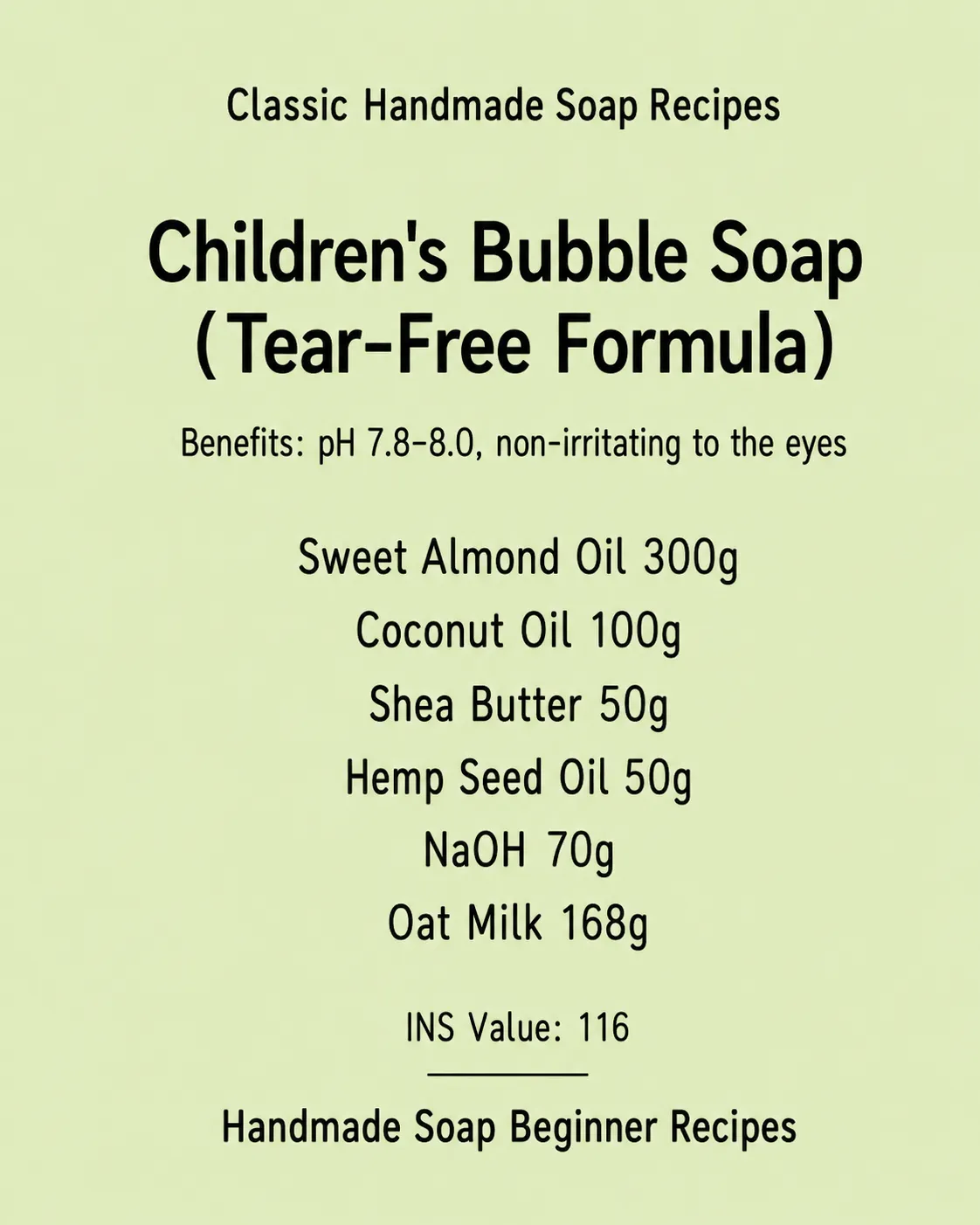
Your setup should support smooth mixing and clean emulsification. Use a stainless steel pot for melting oils, a tempered glass bowl for controlled pours, and durable heat-resistant containers. For the immersion blender (also called a stick blender), insert it fully submerged, pulse to reach light trace, and monitor temperature control to avoid false trace. Good tools make calculating soap recipe adjustments easier because your batter behaves predictably.
Distilled Water vs Lye Solution for Optimal Saponification
Here is where beginners slip up while learning how to calculate soap recipe values. Always dissolve sodium hydroxide (or potassium hydroxide) into distilled water — not tap. Distilled water provides better water quality, fewer mineral reactions, and a stable pH level during saponification. Tap water minerals can mess with the chemical reaction, throwing off texture and cure time. Clean inputs equal cleaner math — and clean math is the backbone of mastering How to Calculate Soap Formula.
Calculating Oil Ratios for Desired Properties
Getting your oil balance right is where the magic happens. If you have ever wondered How to Calculate Soap Formula without second guessing every number, this is the spot. We will break down oil ratios, bubble boosters, INS values, and measurement basics so you can confidently calculate soap formula numbers and tweak any soap recipe like a pro.
Olive vs Coconut Oil Ratios for Hardness and Conditioning
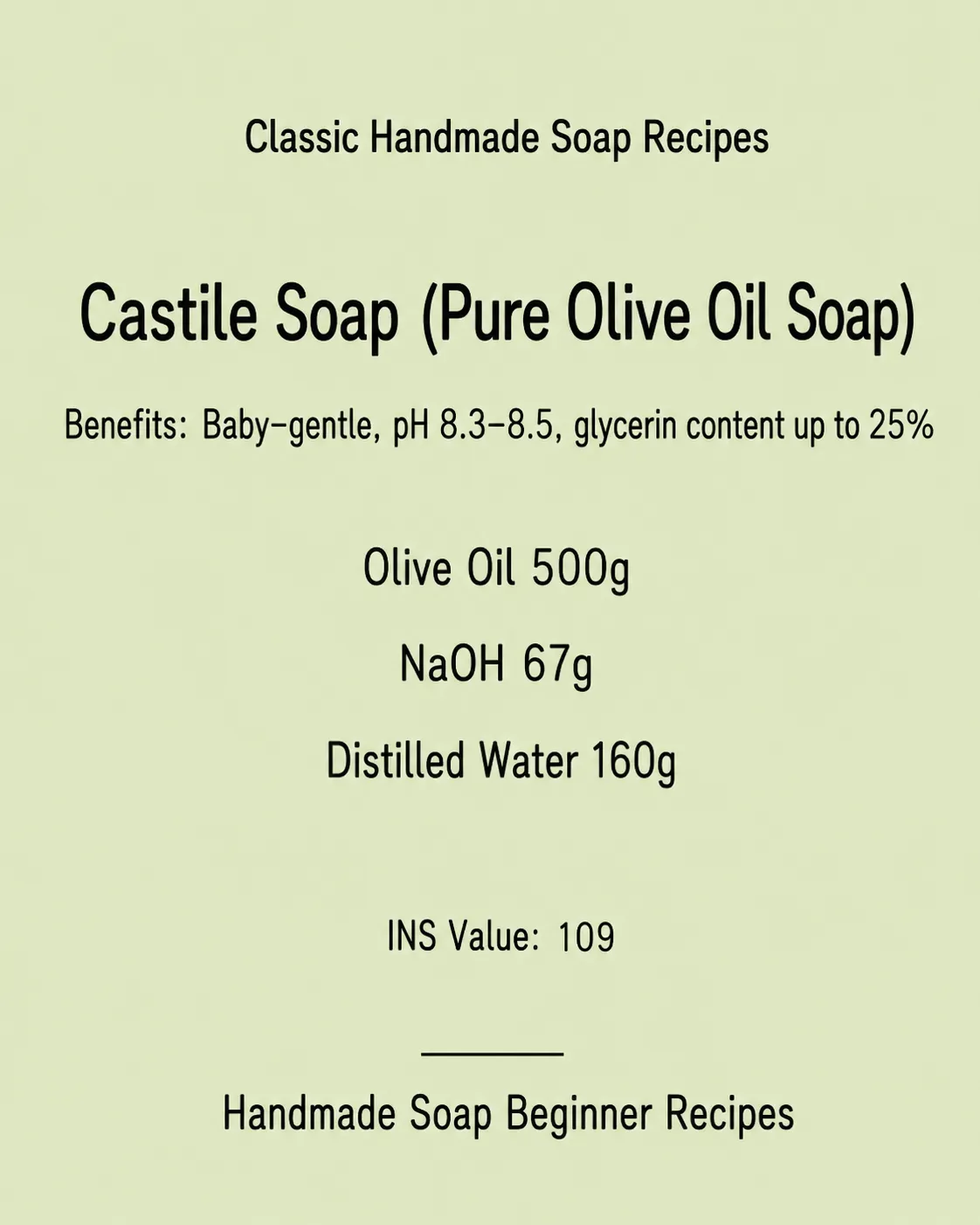
When working out How to Calculate Soap Formula, start by balancing olive oil and coconut oil. Each plays a clear role in bar soap performance: olive oil boosts conditioning and provides a mild feel; coconut oil increases hardness and gives a stronger cleanse; the oil ratio controls final texture.
- 70% olive / 30% coconut = softer, conditioning bar.
- 60% olive / 40% coconut = balanced hardness.
- 50% olive / 50% coconut = firm but potentially drying.
| Oil Type | Typical % Range | Effect on Hardness | Effect on Conditioning |
|---|---|---|---|
| Olive Oil | 40-80% | Low-Medium | High |
| Coconut Oil | 15-40% | High | Low-Medium |
| 70/30 Blend | — | Medium | Medium-High |
| 60/40 Blend | — | Medium-High | Medium |
Shea Butter vs Palm Oil Creaminess and Lather Benefits
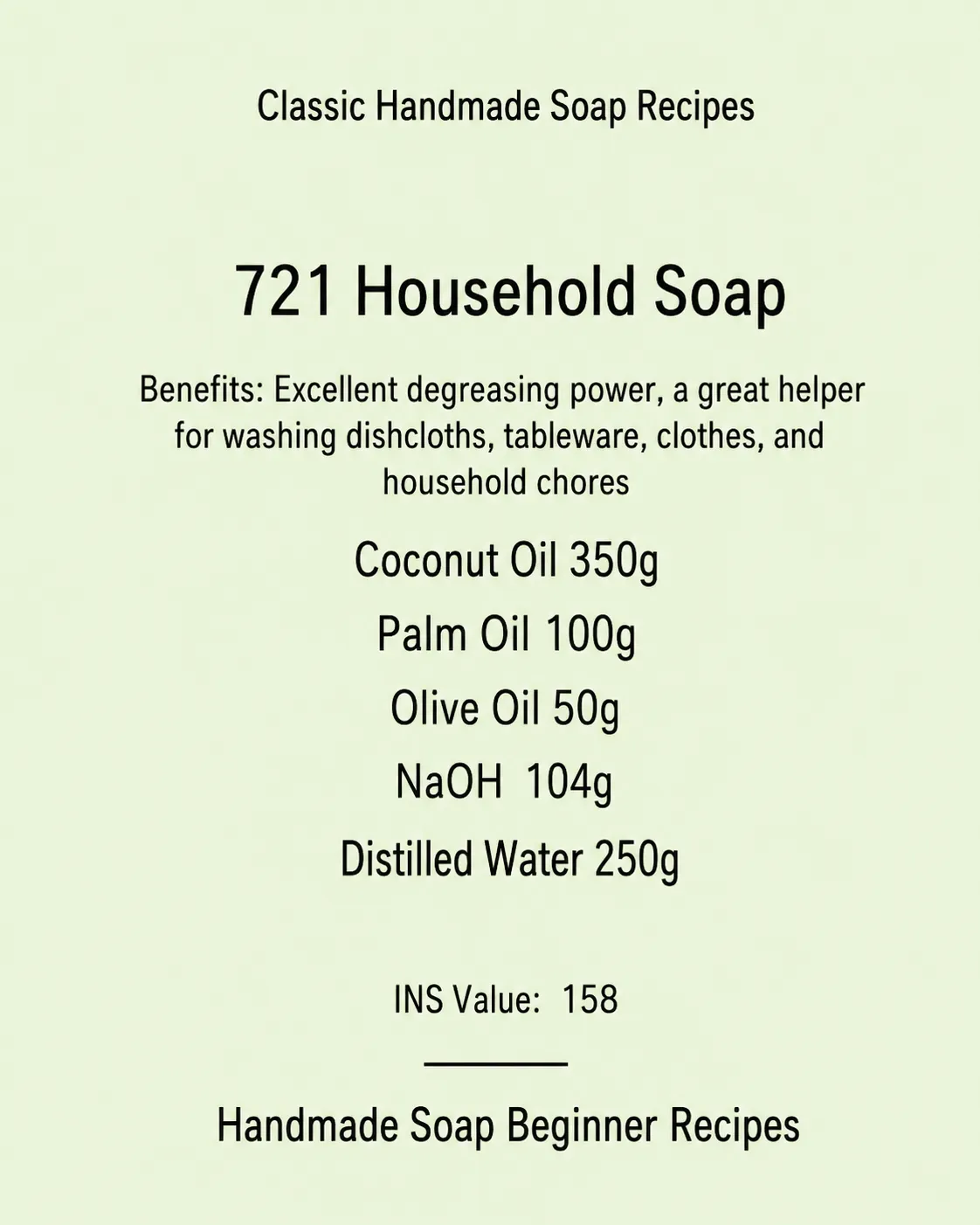
Balancing shea butter and palm oil comes down to structure and foam quality. Shea butter adds creaminess, improves conditioning, and is rich in specific fatty acids. Palm oil contributes firmness, stabilizes lather, and supports structure in soap making.
- Keep shea at 5-15% to avoid softness.
- Use palm at 20-35% for solid structure.
- Recalculate lye after every shift in oil properties.
How Castor Oil Boosts Bubbles and Conditioning
A small splash of castor oil can seriously upgrade lather quality. At 3-5%, it increases stable bubbles; at 5-8%, it boosts conditioning; over 10% may soften the bar. Because of its unique oil properties, castor amplifies foam when paired with coconut or palm — it supports the system rather than working solo.
INS Value Insights for Predicting Bar Characteristics
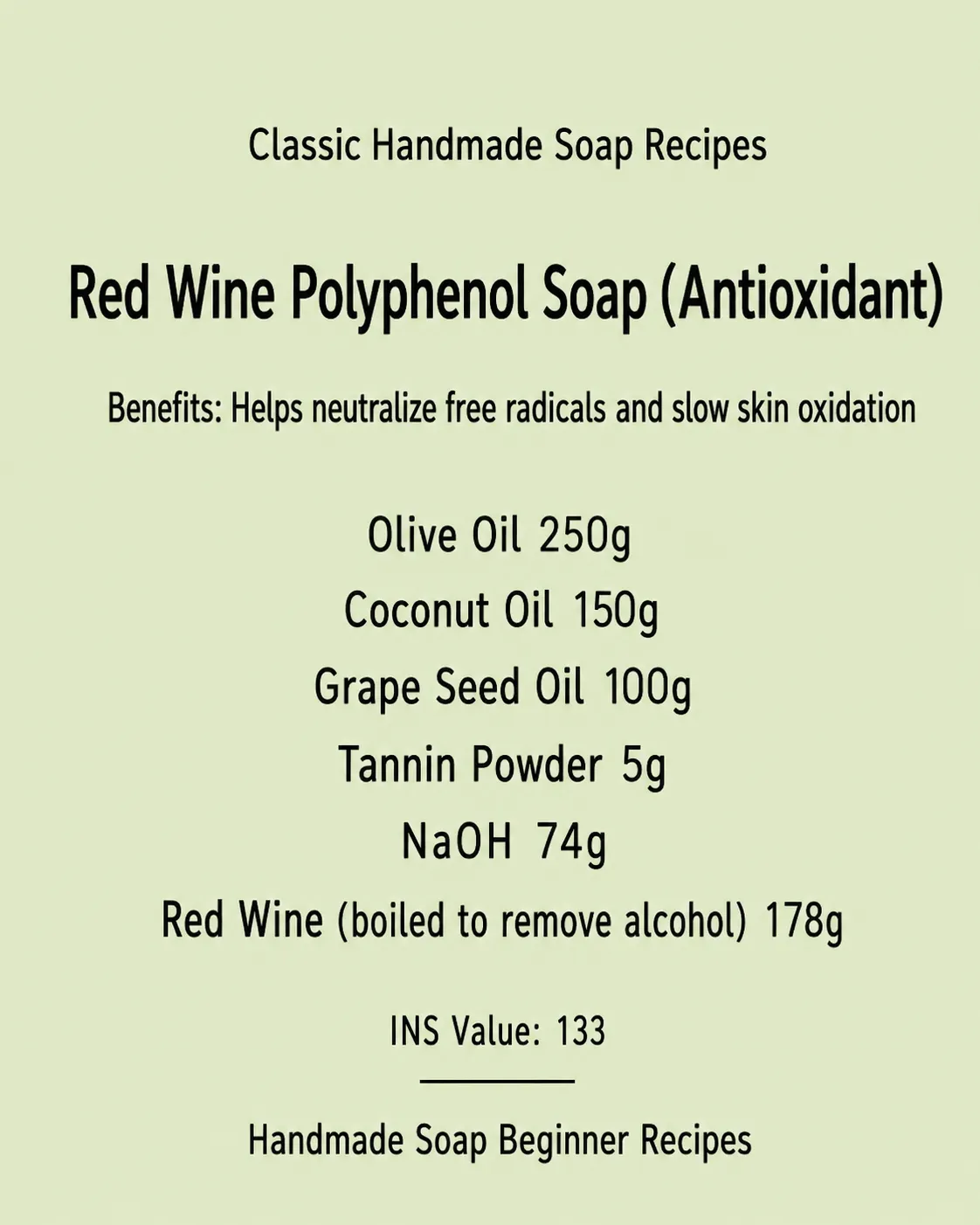
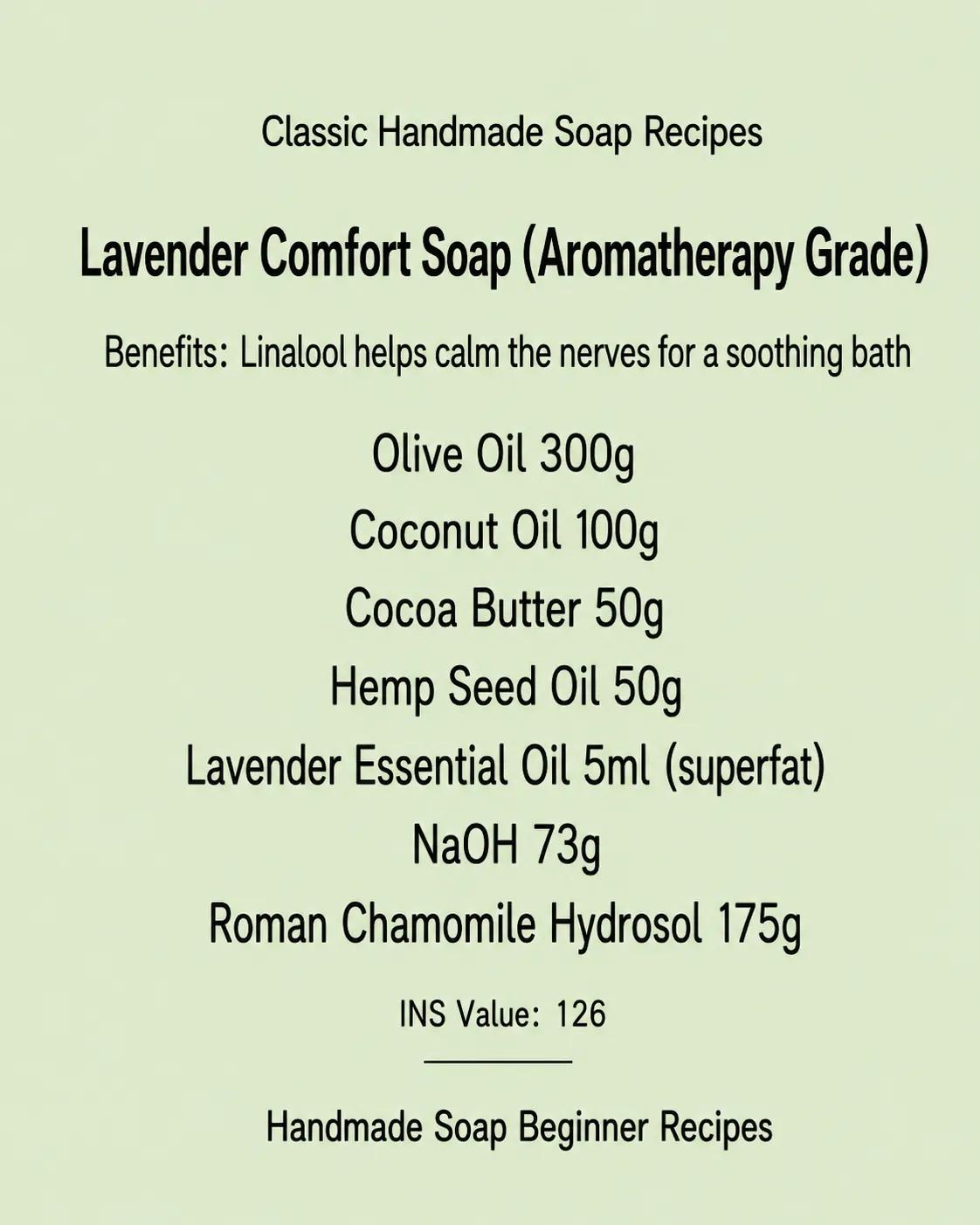
The INS value helps predict bar characteristics by combining saponification and iodine numbers. Think of it as quick math insight into a soap formula. Add each oil's INS contribution weighted by percentage, and target 136-165 for balanced bars. Lower INS means softer and more conditioning; higher INS means harder and more cleansing.
Grams or Ounces: Ensuring Accurate Measurements
Precision matters. Using grams or ounces consistently keeps soap ingredients balanced. Pick one unit system, calibrate your scale, and double-check accurate measurements before adding lye. To calculate soap formula safely: weigh oils with precision, apply SAP values carefully, and confirm totals before mixing. Loose math leads to harsh or unsafe bars. Tight numbers produce smooth results.
Determining Lye and Water Quantities
Understanding How to Calculate Soap Formula is the backbone of safe, balanced soap making. When you break down how to calculate soap formula, it becomes less scary and more practical. This guide walks through smart lye math, water tweaks, and temperature habits that keep your batches smooth and drama-free.
Calculating Sodium Hydroxide with a Lye Calculator
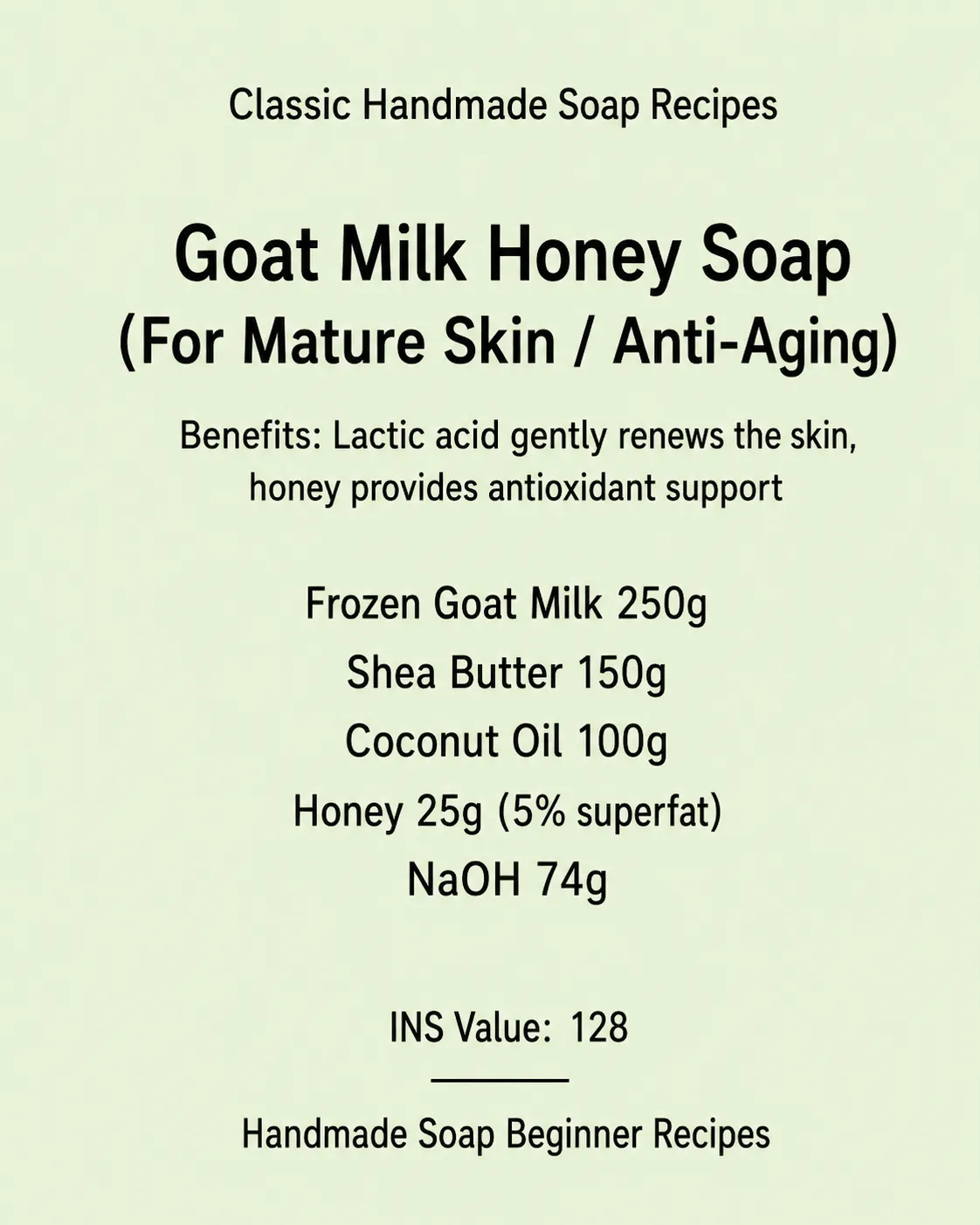
If you are learning How to Calculate Soap Formula, start with a lye calculator. It connects your chosen oils to their saponification value, then factors in superfat percentage and lye concentration to give the exact sodium hydroxide amount needed.
- Enter each oil weight.
- Confirm the fatty acid profile if listed.
- Select desired superfat.
- Review lye concentration.
- Generate result.
| Oil Type | SAP (NaOH) | 500g Oil Needs (NaOH) |
|---|---|---|
| Olive Oil | 0.134 | 67g |
| Coconut Oil | 0.183 | 91.5g |
| Shea Butter | 0.128 | 64g |
Learning How to Calculate Soap Formula through data like this removes guesswork. At Soap Craft Lab, calculators are treated as non-negotiable tools, not optional extras.
Water Discount Strategies for Firmer Bars
A water discount lowers the total liquid in your lye solution, increasing early firmness and reducing long cure time. But push too far and trace can race ahead. Here is a balanced approach: start with the standard water amount, reduce by 5-10%, monitor trace carefully, and watch moisture content during cure. Lower water means faster evaporation, which boosts bar hardness. Still, extreme discounts can cause cracking or false trace.
Soap Craft Lab: When figuring out how to calculate soap formula adjustments, recalculate lye concentration after every water change. Small tweak, big impact.
Temperature Control: Thermometer Tips in Cold Process
Solid temperature control keeps cold process soap stable from mix to mold. Use a thermometer to check lye solution temperature, oil temperature, and the difference between both — ideally within 10 degrees Fahrenheit. Good mixing rhythm: melt oils, cool to target range, blend to light emulsification with a stick blender, and monitor for gel phase. Too hot causes acceleration; too cold causes separation.
Adjusting Potassium Hydroxide for Liquid Soap
Switching from bar soap to liquid soap means replacing sodium hydroxide with potassium hydroxide, often called potash. The math changes because alkali strength differs. Confirm the purity percentage of potassium hydroxide, recalculate saponification values, target proper pH (typically 9-10), evaluate viscosity after dilution, and retain natural glycerin for skin feel.
| Parameter | Sodium Hydroxide (NaOH) | Potassium Hydroxide (KOH) |
|---|---|---|
| Soap Type | Solid bars | Liquid / soft soap |
| Alkali Strength | Higher per gram | Lower per gram |
| Typical Purity | 95-99% | 85-95% |
| Resulting Texture | Hard bar | Soft paste or fluid |
| pH Range | 8.5-10 | 9-10.5 |
If you are serious about How to Calculate Soap Formula, liquid soap pushes your math skills further. Soap Craft Lab teaches that precision here prevents cloudy results and unstable texture. Master the formula, and the formula stops intimidating you.
Integrating Additives and Enhancing Formula
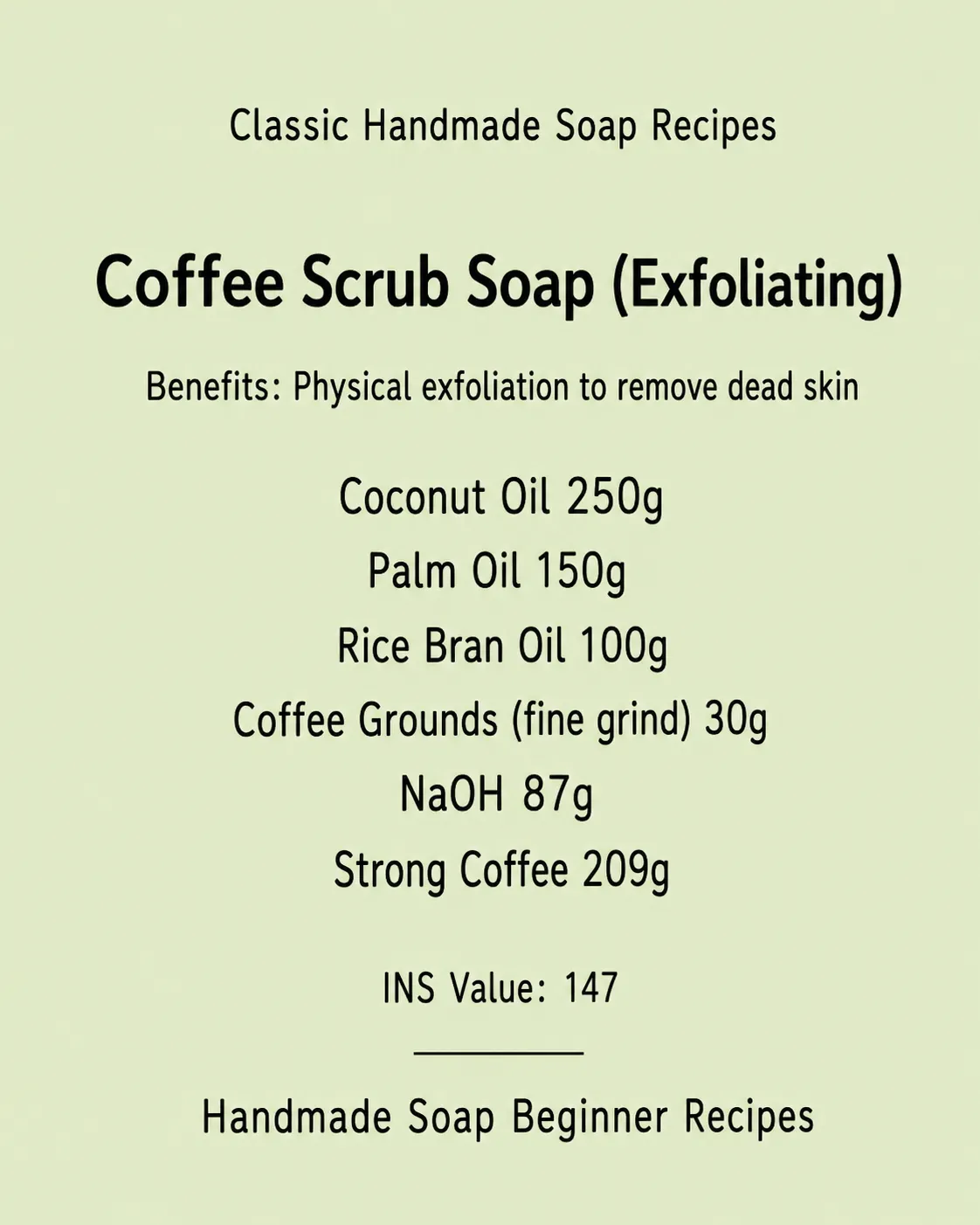
Getting additives right can make or break your batch. When learning How to Calculate Soap Formula, small tweaks in scent, color, and texture matter more than most beginners expect.
Clays and Colorants for Consistent Hues
When figuring out How to Calculate Soap Formula, color loading must match oil weight and water ratio. Clay types include: Kaolin for soft cream tone and mild oil control, French green for earthy green with higher absorption, and Rhassoul for warm brown with dense slip. For natural colorants, use annatto for yellow, indigo for blue, and cocoa for brown.
For pigments and micas, disperse in light oil before adding at light trace. Typical usage rates are 0.5-2% of oil weight. Proper dispersion means mix, strain, and add at light trace.
| Additive | Recommended % (Oil Weight) | Effect on Texture |
|---|---|---|
| Kaolin Clay | 1-3% | Creamy slip |
| Micas | 0.5-1% | Smooth finish |
| Iron Oxide Pigments | 0.5-1% | Dense color |
Essential Oils vs Fragrance Oils Usage
Scent decisions affect both math and skin feel. Essential oils are plant-derived with complex scent profiles but lower longevity in cold process. Fragrance oils are lab-crafted blends with stable aroma and a broader creative range. Key numbers to watch when you calculate soap formula: check usage limits (often 0.5-3%), confirm flashpoints for safe heating, and review skin safety data sheets.
Superfatting with Exfoliants and Herbs
Dialing in superfat percentage changes everything. Most makers stay between 3-8%. Setting superfat at 3-5% gives a firmer bar with lighter feel; 6-8% provides richer conditioning. For exfoliant types, use oatmeal for fine scrub, coffee grounds for medium grit, and poppy seeds for sharp texture. For botanical boost, add herbal infusions in base oils and dried botanicals at light trace, grinding finely to prevent lodging.
Finalizing Your Recipe and Perfecting the Batch
Getting to the end of a batch feels good, but this is where precision really counts. If you are serious about How to Calculate Soap Formula, you need control from trace to cure. This is where small tweaks change everything. At Soap Craft Lab, we teach soap makers how to calculate soap formula accurately, scale with confidence, and lock in quality every single time.
Trace to Pour: Timing and Immersion Blender Use
Understanding How to Calculate Soap Formula does not stop at oil and lye math. It continues at the trace stage, where emulsification determines texture and stability. Monitor soap batter thickness, watch viscosity increase from thin cream to pudding, and keep total blending time controlled to avoid false trace.
- Use short bursts with the stick blender (3-5 seconds).
- Stir manually between pulses.
- Scrape sides to prevent uneven emulsification.
For pour points: light trace is best for intricate swirls, medium trace is stable for layered designs, and thick trace is suitable for textured tops. When learning how to calculate soap formula, remember that oil percentages affect how fast trace appears. High olive oil means slower trace; more hard oils mean faster thickening.
Soap Craft Lab: Soap Craft Lab emphasizes matching your calculated formula to expected working time, not just the math on paper.
Testing pH Level During Curing Stage
Even if you know how to calculate soap formula correctly, curing determines safety. During the curing process, saponification continues quietly. Your job is to confirm lye safety and final soap quality. Use a calibrated pH meter instead of guesswork, test a small dissolved sample (not a dry bar surface), and aim for an acceptable finished alkalinity range of 8.5-10.
| Cure Week | Typical pH Range | Texture Change | Safety Check |
|---|---|---|---|
| Week 1 | 10-11 | Soft | Not ready |
| Week 2 | 9.5-10.5 | Firmer | Monitor |
| Week 4 | 8.5-9.5 | Hard bar | Safe range |
| Week 6 | 8-9 | Fully cured | Ideal |
If your numbers stay above 11, revisit how you calculate the soap formula. Recheck your lye amount and superfat level. Calculating soap recipe ratios properly reduces curing surprises. Soap Craft Lab training always pairs soap formula calculation with curing verification. Math plus testing — that is the combo.
Scaling Batch Size from Ounces to Milliliters
Scaling is where many people mess up How to Calculate Soap Formula. Converting units is not just swapping numbers — it is controlled batch scaling. Maintain formula integrity by keeping oil percentages constant, adjusting lye amount proportionally, and recalculating water using the original ratio.
- Ounces (weight) to grams: multiply by 28.35.
- Fluid ounces (volume) to milliliters: multiply by 29.57.
- Confirm weight to volume differences before finalizing ingredient measurement.
Validate oil calculations, confirm formula adjustment inside your calculator, and cross-check final totals. Short rule: never scale by guessing. Always recalculate. If you are asking how to calculate the soap formula for larger production, treat scaling as a fresh calculation. Soap Craft Lab encourages makers to redo every step instead of copying old numbers — that is how consistency stays tight and your batches stay drama-free.